
Walk into any glass shop and you will be asked: normal glass or toughened? The difference matters for safety, durability and cost. This guide explains it clearly so you can pick the right glass for each part of your home or shop.
What is toughened glass?
Toughened (also called tempered) glass is normal glass that has been heated to a very high temperature and then cooled rapidly. This process creates compressive stress on the surface, making the glass several times stronger than regular glass of the same thickness. Safety glass in India is covered by the IS 2553 standard.
Key differences
- Strength: toughened glass is commonly around four to five times stronger than annealed (normal) glass.
- When it breaks: normal glass shatters into sharp shards. Toughened glass breaks into small, blunt granules that are much less likely to cause serious injury.
- Heat resistance: toughened glass tolerates sudden temperature changes far better.
- Cutting: toughened glass cannot be cut, drilled or edged after toughening. All sizes, holes and notches must be finalised first.
- Cost: it costs more than normal glass, but the safety benefit usually justifies it.
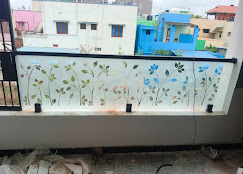
Where you should always use toughened glass
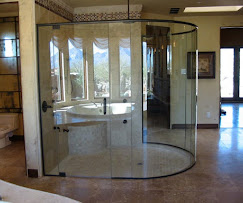
- Bathroom and shower enclosures
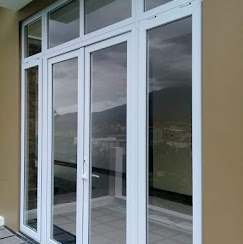
- Main doors, partition doors and office cabins
- Balcony and staircase railings
- Large windows and shopfront glass
- Table tops, shelves and kitchen backsplashes
Where normal glass is still fine
Small photo frames, small decorative windows and low-risk cabinet doors can use normal glass. For anything people lean on, walk past or touch daily, choose toughened.
Choosing the right thickness
- 5–6 mm: shelves, small cabinet doors, table tops
- 8–10 mm: shower screens, partitions, standard doors
- 10–12 mm: frameless doors, large partitions, railings and shopfronts
Final thickness depends on the size of the panel and how it is fixed, so confirm it with your supplier before ordering.
Ordering tips
- Take exact measurements, ideally after the frame or wall work is finished.
- Decide on holes for hinges, handles or locks before toughening.
- Choose the edge finish and tint (clear, bronze, grey and so on) in advance.
- Ask for installation hardware such as patch fittings and spider fittings to be supplied together.
Toughened glass in Dindigul
Ambika Plywoods supplies and processes toughened glass, with options for printing, acid wash, etching and colouring. See our glass services or request a quote and we will advise on thickness and fittings for your project.