

Choosing glass thickness is a safety decision as well as a look-and-cost one. Here is a general guide to the thicknesses people commonly use, so you can ask the right questions.
General guide
These are commonly used ranges. Actual thickness depends on panel size, fixing method, hardware and location, so always confirm with your glass supplier.
- 4–5 mm: small window panes and picture frames.
- 5–6 mm: cabinet and wardrobe shutters, small shelves and decorative panels.
- 8 mm: partitions with frames, shower panels and tabletops of moderate size.
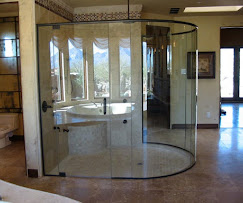
- 10 mm: frameless shower enclosures, glass doors and larger partitions.
- 12 mm: large frameless doors, tall partitions and many railing uses.
Why the use matters
A panel that people lean on, like a railing, needs more strength than one that only fills a frame. Taller and wider panels need more thickness. Doors need to handle hinge and patch-fitting loads.
Toughened or laminated?
Use toughened glass for doors, railings, shower areas and tabletops. For overhead or railing uses where broken pieces should stay in place, laminated toughened glass adds extra safety. Our guide on toughened vs normal glass explains the difference.
Do the work before toughening
Size, holes, cut-outs and edge polish must be finished before toughening, since toughened glass cannot be cut afterwards. Measure carefully and share hardware details with the supplier.
Decorative options
Thicker glass can also be printed, coloured, etched or acid-washed. See our glass printing services and toughened glass in Dindigul.